Top 5 questions before hiring stained concrete contractors
A Comprehensive Guide to the Various Kinds Of Stained Polished Concrete
Stained polished concrete deals a functional and visually appealing floor covering option for various environments. Comprehending the two main kinds of discolorations-- acid-based and water-based-- can significantly influence style options. Each type gives one-of-a-kind advantages and aesthetic qualities. The decision-making process involves not just color choice however additionally factors to consider of resilience and maintenance. As one checks out the intricacies of these discolorations, important elements enter play that can influence the general end result of any kind of concrete project.
Recognizing Stained Polished Concrete
While many individuals value the aesthetic allure of polished concrete, understanding stained polished concrete is crucial for appreciating its unique qualities and applications. Stained polished concrete combines the sturdiness of polished concrete with the lively colors and patterns attained with discoloration. This procedure improves the surface area's visual appeal, permitting creative expression in various atmospheres, from industrial rooms to property homes.
Stained polished concrete is versatile, using a series of surfaces that can imitate all-natural rock or produce an extra contemporary appearance. The stain penetrates the concrete surface area, providing a lasting option that stands up to fading and wear. Additionally, the mix of discoloration and brightening cause a smooth, reflective surface area that is easy to clean and keep.
Sorts of Stains: Acid vs. Water-Based
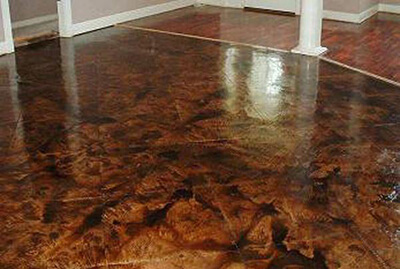
Stains play a crucial function in the aesthetic change of polished concrete, primarily classified into two types: acid-based and water-based - stained concrete. Acid-based spots permeate the concrete, responding chemically with the minerals to create irreversible, variegated shade impacts. They offer a rich, translucent surface that boosts the natural appearance of the concrete, making them a preferred choice for accomplishing an extra natural look. Nevertheless, the application procedure is intricate and calls for careful handling as a result of the acidic nature of the chemicals included
In comparison, water-based discolorations are easier to use and give a broader array of shades. They do not respond with the concrete yet instead rely on pigments to accomplish their tones. While water-based spots can supply lively colors, they might not accomplish the exact same depth as acid discolorations. Eventually, the selection in between acid and water-based discolorations depends upon the preferred aesthetic and the specific requirements of the concrete surface area.
The Polishing Process: Actions and Strategies
To accomplish a premium polished concrete finish, an organized polishing process is vital - stained concrete. The procedure commonly starts with surface prep work, which consists of cleansing the concrete piece and fixing any type of fractures or blemishes. Next, rugged ruby grinding pads are used to get rid of the surface layer and accomplish a degree surface area. Following this, finer pads are utilized in successive steps to gradually refine the surface, boosting its luster
Color Options and Modification
Attaining a polished concrete surface not just depends on the thorough polishing process however additionally on the variety of shade options and modification strategies readily available. Shade can be introduced via numerous methods, including acid staining, water-based stains, and essential pigments. Each of these techniques offers distinct tones and results, permitting a vast range of colors, from natural tones to lively shades.
Personalization extends past color option; it likewise consists of strategies such as attractive accumulations and the incorporation of patterns or appearances. These aspects can create one-of-a-kind designs that enhance the aesthetic appeal of the concrete surface. Home owners and designers can team up to select a tailored shade scheme and finish that aligns with their vision, making certain that the polished concrete matches the overall layout scheme. This flexibility makes discolored polished concrete an eye-catching alternative for a variety of domestic and commercial applications.
Advantages of Stained Polished Concrete
While numerous floor covering alternatives exist, tarnished polished concrete stick out because of its countless benefits, making it a popular choice for both residential and industrial rooms. This floor covering type provides outstanding durability, able to withstand hefty foot website traffic without showing signs of wear. Its reduced upkeep need is another advantage, as it does not require like it waxing or regular refinishing, saving time and expenses.
In addition, stained polished concrete is eco pleasant, commonly utilizing existing concrete slabs, which reduces the demand for new materials. The aesthetic allure is substantial, as it can be customized in numerous colors and surfaces, boosting any layout style. Its reflective surface area improves lights in rooms, lowering power costs. Stained polished concrete is additionally resistant to moisture and stains, making it a practical alternative for various settings. On the whole, these benefits add to its appeal and versatility in flooring remedies.
Perfect Applications for Various Spaces
Stained polished concrete deals functional applications that accommodate both residential and commercial atmospheres. In living areas, its aesthetic allure and toughness create welcoming rooms for relaxation and home entertainment. On the other hand, in industrial settings, the product's strength and convenience of maintenance make it an excellent option for high-traffic locations.
Residential Living Locations
Polished concrete offers a versatile service for domestic living areas, boosting both visual appeals and functionality. This floor covering choice is excellent for various areas, consisting of living spaces, cooking areas, and cellars. Its streamlined finish complements contemporary style motifs while giving durability and convenience of upkeep. Property owners can pick from a variety of spots and surfaces to develop a tailored look that matches their style. Furthermore, polished concrete mirrors light, making spaces appear larger and much more welcoming. It also maintains a comfortable temperature, adding to energy performance. With its resilience versus spills and use, polished concrete works as a practical choice for high-traffic areas. Generally, it integrates elegance and functionality in property settings, making it a popular flooring choice.
Commercial Business Environments
Concrete floor covering has become a preferred selection in commercial company settings because of its durability and aesthetic allure. Retail areas benefit from discolored polished concrete, which boosts visual allure while resisting hefty foot traffic and spills. In workplace setups, the versatility of various surfaces can produce a contemporary and expert environment, adding to worker fulfillment. Dining establishments commonly use this floor covering type for its ease of maintenance and resistance to stains, making it useful for high-traffic areas. Storage facilities and industrial facilities value the durable nature of concrete, which can hold up against hefty machinery and effects. On the whole, stained polished concrete offers a mix of functionality and style, making it ideal for different business applications.
Upkeep and Care Tips
Keeping stained polished concrete needs a regular cleansing timetable to preserve its look and durability. It is essential to prevent extreme chemicals that can harm the surface area and finish. Appropriate treatment assurances that the concrete stays both cosmetically pleasing Home Page and functional over time.

Routine Cleansing Arrange
A constant cleansing regimen is essential for preserving the appeal and toughness of stained polished concrete surface areas. Normal maintenance aids avoid dirt, grime, and spots from collecting, which can dull the surface with time. It is advisable to move or vacuum the surface area daily to get rid of loose debris. Weekly wet mopping with a pH-neutral cleanser can effectively get rid of persistent residue without harming the finish. For high-traffic locations, even more frequent cleansing may be necessary to preserve the look. In addition, utilizing flooring mats at entrances can assist lessen the quantity of dust tracked onto the surface. Establishing a routine cleansing timetable not only boosts the visual allure but likewise extends the life of discolored polished concrete, guaranteeing its vibrancy for years to come.
Avoid Harsh Chemicals
Selecting the ideal cleansing items is important for preserving the stability of discolored polished concrete. Harsh chemicals, such as ammonia, bleach, and acidic cleansers, can damage the surface area and remove safety sealers. Instead, it is recommended to use pH-neutral cleansers especially created for polished concrete. These milder choices efficiently eliminate dust and discolorations without compromising the finish. stained concrete. Additionally, routine upkeep, such as sweeping and moist mopping, can help minimize the need for more powerful chemicals. When spills occur, trigger cleanup with mild options is vital. By staying clear of severe chemicals and selecting risk-free alternatives, homeowner can maintain the elegance and durability of their discolored polished concrete surface areas, Our site guaranteeing they remain vibrant and undamaged for several years to find
Often Asked Questions
How Lengthy Does Stained Polished Concrete Last?
The durability of stained polished concrete generally varies from 10 to 20 years, depending on variables such as upkeep, foot web traffic, and environmental problems. Proper care can considerably extend its life-span and appearance.
Can I Use Stains Over Existing Concrete?

What Is the Drying Time for Stained Concrete?
The drying out time for tarnished concrete differs, commonly varying from 24 to 72 hours. Factors such as temperature level, moisture, and concrete density influence the duration, calling for mindful tracking to guarantee optimal results before securing.
Are There Any Wellness Risks Connected With Stains?
The concern of health and wellness risks linked with spots in concrete arises regularly. Normally, some stains might contain unpredictable natural compounds (VOCs), which can position respiratory system concerns. Adequate air flow and protective steps are suggested throughout application.
Just how Do I Choose an Expert for Installation?
Choosing an expert for installation includes researching credentials, evaluating previous tasks, making sure proper licensing and insurance policy, and seeking suggestions. Interaction concerning job expectations and getting detailed quotes are also crucial for a successful setup experience.